Doors 1 Sep SankalpaThree sessions, one thread. The Drop, the Want, the Vow See how it works →
Boardroom & Breathwork™ · team workshops and events

A day your team will still be using in November.

Offsites are mostly a room, a deck, and eight hours of asking people to think hard while their bodies are still in the week they just had.

This is the part that makes the rest of the day work. Short, practical, and nothing anybody has to believe in.

Book a 30-minute call Melbourne in the room · online for distributed teams · interstate when planned
Aradhana leading a session around a boardroom table
What I run

Four shapes. One of them fits the day you are planning.

Planning-day reset

half a day

A session inside your offsite or planning day that lands people in their bodies before you ask them to think hard for eight hours. Runs first, or straight after lunch when the room goes flat.

Breath and nervous system

ninety minutes

Practical regulation your people can use before a difficult meeting, so the meeting goes better. They leave with two things they will actually use, not a folder.

Connection event

an evening

For teams that have gone quiet, gone remote, or gone through a restructure. Starts with the humans rather than the framework, which is the opposite order to every team day they have sat through.

Something specific

scoped with you

Tell me what you want your team to be like in six months, and what is in the way now. We shape the session around that rather than around a product I already had.

Why it is never only a talk

People do not leave a room changed because they agreed with it.

Almost everything your team has been offered works on the thinking, and thinking is genuinely half of it. It gets them to the decision and it gives them the language for it.

Then the decision has to survive a real week. That part is not a thinking problem. A choice made in a braced body gets quietly unmade by Thursday, and everybody calls it discipline.

So there is always something they do, not just something they hear. It is also why the sceptics stay. Sitting through a talk about resilience is what made them sceptical in the first place.

The layer underneath

Seven things you are noticing, and the reason for each one.

Everything above works on the same map: seven centres, each sitting on a gland your team already depends on to get through a week. Everything urgent, nobody suggesting anything, decisions coming back to you, someone still replying at eleven at night.

Some leaders ask me to teach that map to their team, and depending on the room it lands better than anything else I do. It is set out in full on the coaching page.

See the seven centres →

In their words

What people say afterwards.

Kylee · Lions Gate Portal at GURNER™

Aradhana created a space that encouraged us to look forward and think more deeply about what is calling us, where we want to be and what we want to create for ourselves. There was enough structure to give the session direction and purpose, without it ever feeling rigid or overly prescribed.

Zara · Saint

The sessions helped me rebuild belief in myself and encouraged me not to settle for the first, second or third answer I get given, and instead look outside the box.

What happened next

Zara ran an event for her own company a few weeks later, and led it heart first instead of business first. A team day is worth what people do with it, not what they said on the day.

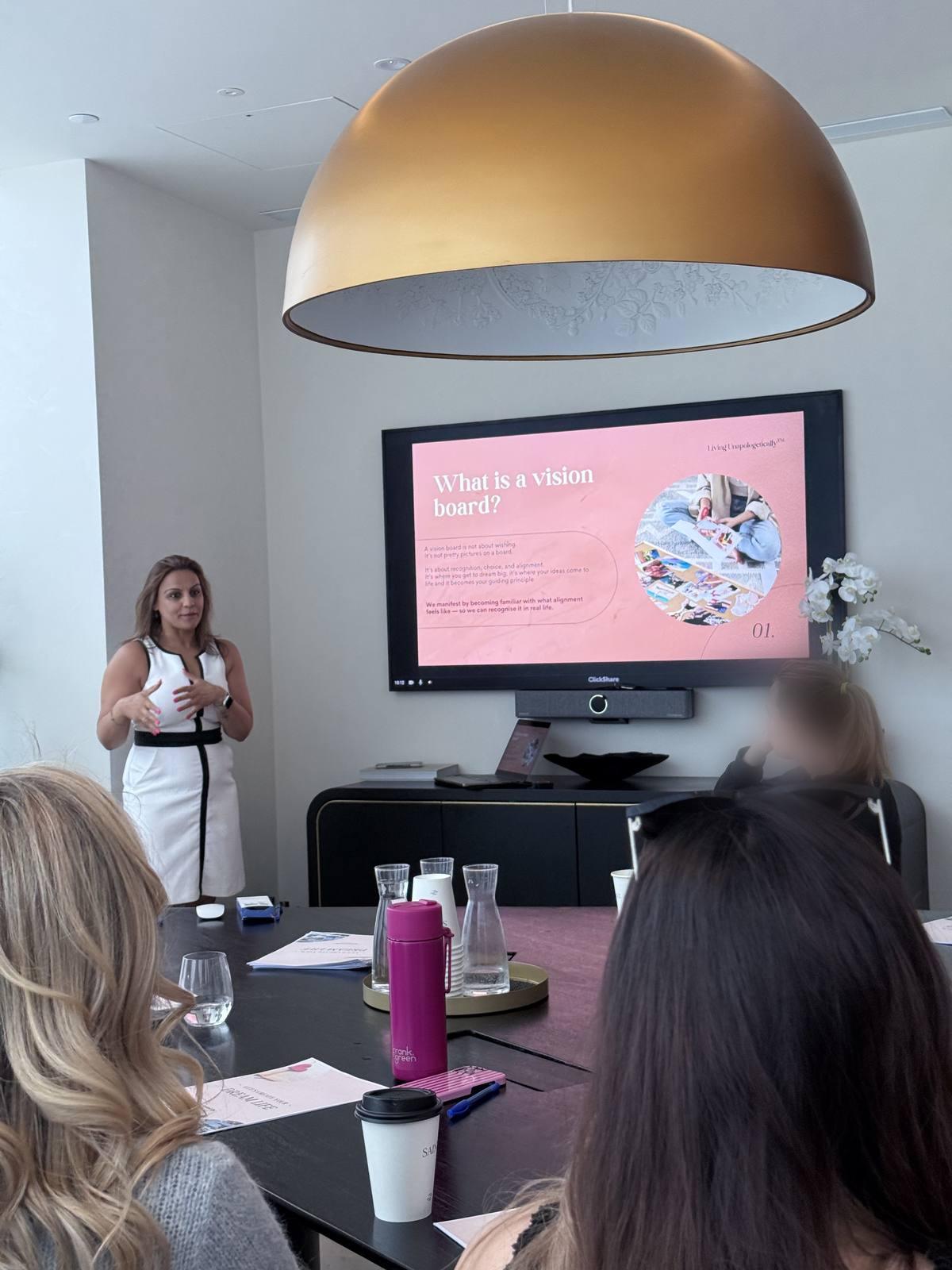
Aradhana leading a session around a boardroom table
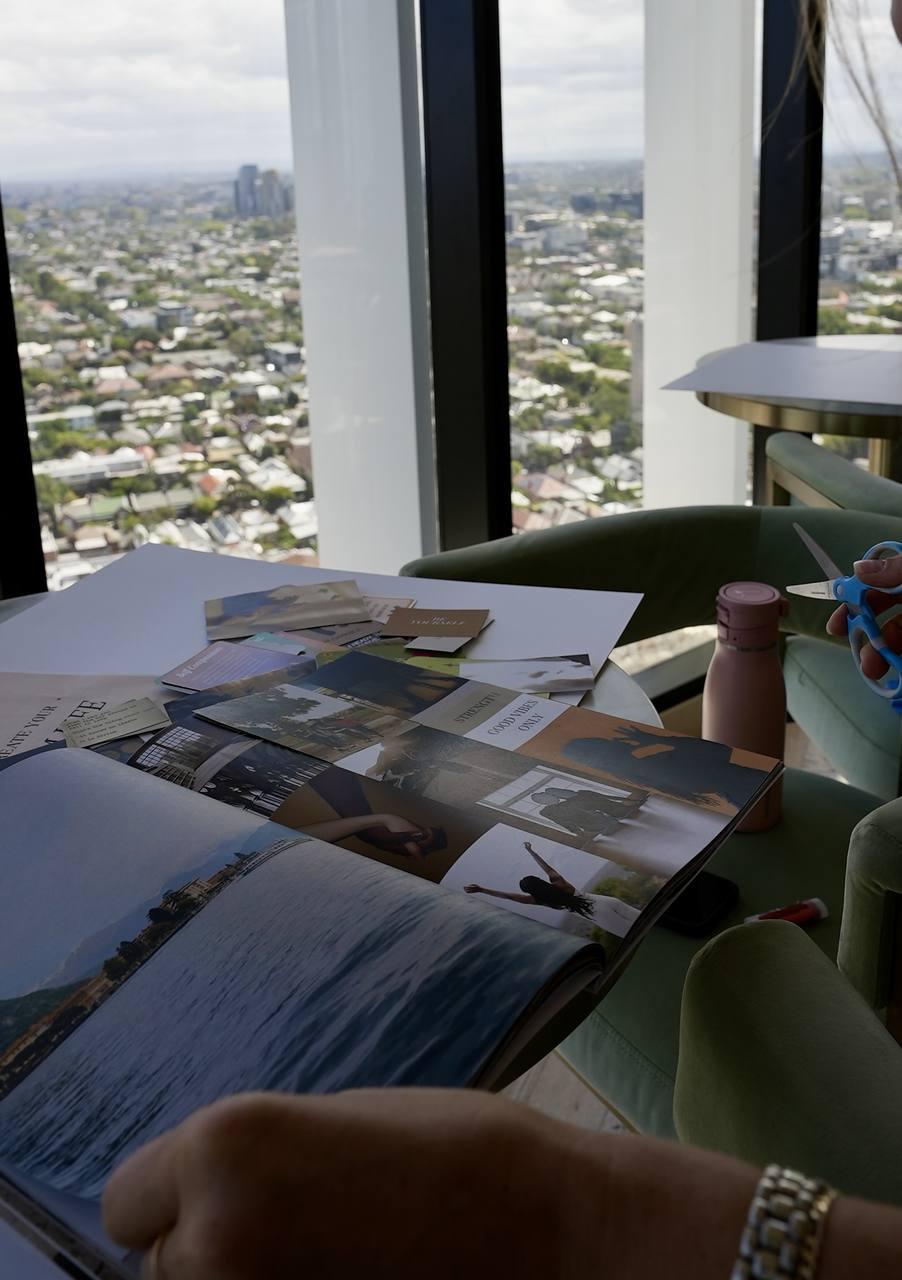
A session in progress on a high floor above the city
Recent sessions. Real rooms, real people, no trust falls.
Before you book

The questions people actually ask.

How long do you need, and where in the day?

Ninety minutes is the smallest thing worth doing, half a day is where it starts changing how the rest of the day goes. First thing, or straight after lunch when the room goes flat. I would rather have your worst ninety minutes than your best.

Will the sceptics hate it?

Some arrive expecting to. Nothing is compulsory, nobody is asked to share anything, and it is short. The thing that turns them is that it is practical and it is over before they have finished deciding to resist it.

Does anybody have to talk about their feelings?

No. There is no going round the circle, no trust falls, and nothing that would embarrass a person in front of people they manage. If something comes up for someone it stays theirs.

Who are you, and why should we book you?

A twenty year corporate career across manufacturing, automotive, retail, recruitment and entertainment, including eleven years leading teams for one of Australia’s biggest retailers. Also a qualified IIN coach, a reiki master and a yoga teacher. So I am not remembering your pressure from a decade ago. I am in it this week, same as you.

How big can the group be?

Up to about thirty in one room and it still feels personal. Beyond that it becomes a talk, which is a different thing and I will tell you so rather than take the booking.

What does it cost?

It depends on length, group size and whether it is in the room or online, so a number here would be wrong for most people reading it. Thirty minutes on a call and you get a scoped price, not a range.
Start here

Tell me what you want them to be like.

Thirty minutes, no charge. You tell me what is actually happening in the team and what the day is meant to achieve.

Then I come back with something shaped for your context, your timing and your budget. If we go ahead, your people leave with something they can use on Monday rather than a folder they will never open.

Book a 30-minute call Or download the one page overview

Looking for ongoing coaching instead? Leadership and group coaching →