Wellbeing sessions that do not feel like a webinar.
Your people do not need another slide deck about resilience. They need twenty minutes in their own bodies, and someone who can hold a room of sceptics without losing them.
I led in corporate for eleven years before I did any of this.
Twenty years across automotive, logistics, manufacturing and recruitment, in finance, operations, project management and business development. Eleven of those leading teams, and I am still doing it.
The wellness came later, and it came the hard way. Four years into finance roles I burned out. It did not stay at work either, it took the rest of my life with it. So I started looking for a way through, and what I found did not just change how I coach private clients. It changed how I lead.
The thing that was missing was never team effort. It was people not being able to manage their work without burning out.
Most workplace wellbeing sells collaboration and culture. In my experience the collaboration was rarely the problem. The individual nervous system was, and no amount of team building fixes a person who cannot get through Wednesday.
Not a workplace? The same work runs for community groups, studios and private gatherings across Melbourne. Those are here.
Working with
GURNER SAINT
In her own words
Wellness is not just about the body but also about the mind. These workshops help you put time aside to nourish the mind in different ways through creativity, reflection, and understanding yourself.
I attended a couple of the workshops and they made a positive difference for me. The sessions helped me rebuild belief in myself and encouraged me not to settle for the first, second or third answer I get given and instead look outside the box. Aradhana's guidance to keep going, keep exploring, and actively create my own pathway forward was powerful.
Zara · workshop attendee, Saint
A few weeks later she ran an event for her company. She told me she stopped and asked herself how I would have presented it, then led it heart first instead of business first. That is the thing worth buying. Not what people take from the day, but the meeting they run differently a month later.
What it gave me
Three things I did not have before.
These are the reasons I can stand in front of your team and not lose the sceptics. Not because I read about it, because I needed it.
Empathy
More of it than I would have had otherwise. When someone in my team is struggling I recognise it early, because I know exactly what it looked like on me.
Compassion
For the person having the bad quarter, and for myself on the days I am the one having it. It turns out those are the same skill.
Regulation
The tools to stay steady in a room of competing narratives and competing priorities, where a hard decision has to be made and somebody is not going to like it.
That last one is the one nobody teaches you. Leadership training covers the decision. It does not cover what happens in your body while you are making it.
Why this works on a Tuesday
Seven centres, seven glands.
People hear breathwork and think atmosphere. What we are actually working with is the endocrine system, and every one of the seven centres sits on a gland your team already relies on to get through the week.
Base of spine
Adrenals
Cortisol and adrenaline. The one that runs hot in a restructure and stays hot long after the restructure is done.
Low belly
Ovaries and testes
The hormone cycle. It is the first thing to change under sustained pressure, and the last thing anyone mentions at work.
Solar plexus
Pancreas
Blood sugar, which is energy. This is the three o'clock crash, and it is why the room goes quiet in the last session of the day.
Chest
Thymus
Immunity. It shrinks under chronic stress, which is the boring physiological reason a burnt out team takes more sick days.
Throat
Thyroid
Metabolism, and voice. People who have stopped speaking up in meetings often report a tight throat before they report anything else.
Brow
Pituitary
The master gland, which sets everything above. Judgement and clear thinking live here, and both degrade quietly under load.
Crown
Pineal
Melatonin, so sleep. The team member who cannot switch off at eleven at night is not lacking discipline.
This is the part that lands with the person in the room who did not want to come. It is not a belief system, it is where the stress is being held, and it is measurable in absence, turnover and the quality of decisions.
Endocrine correspondences drawn from the Aromatic Kinesiology lineage, Robbi Zeck. Taught in the workshop as physiology, not as doctrine.
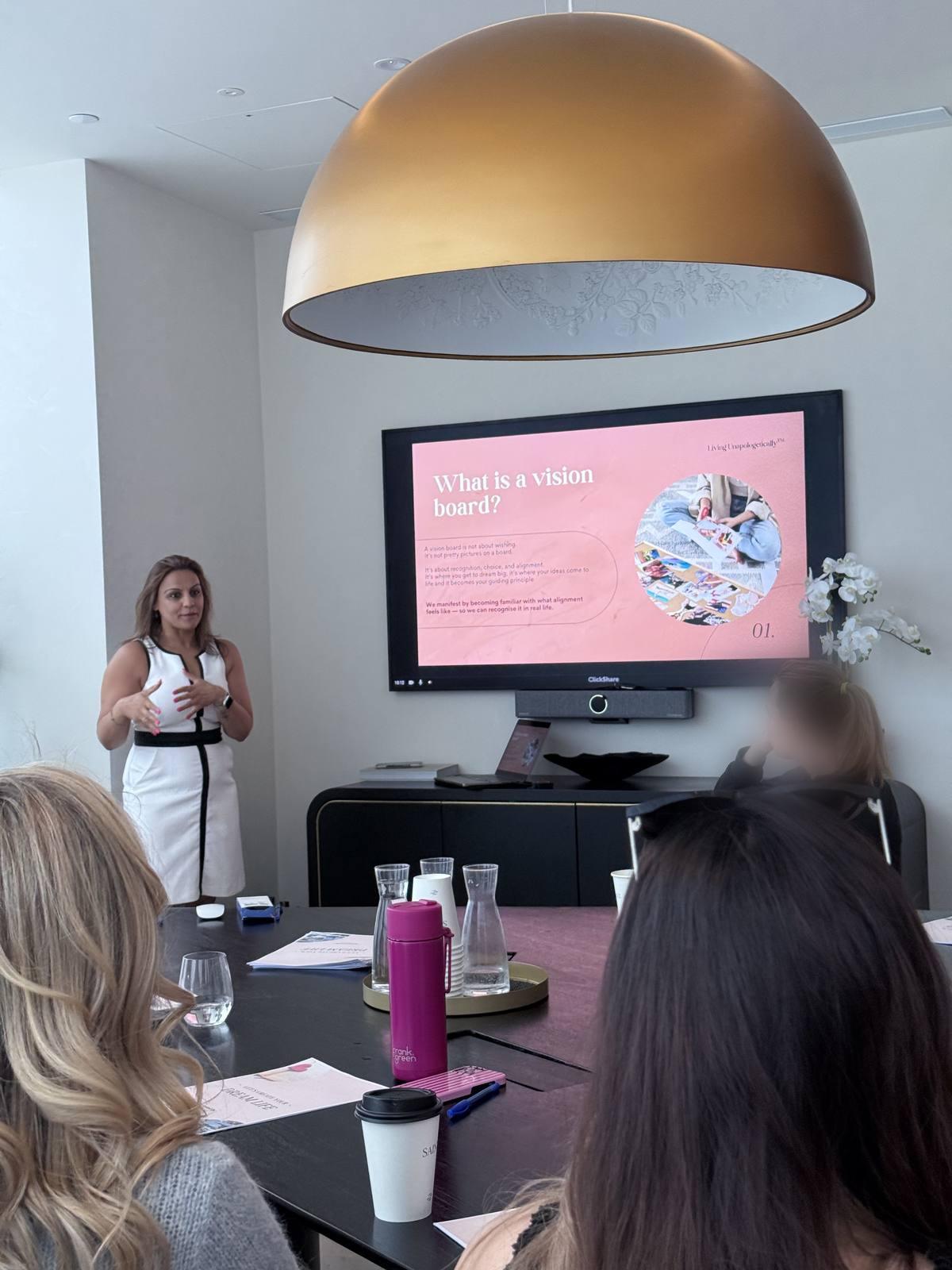
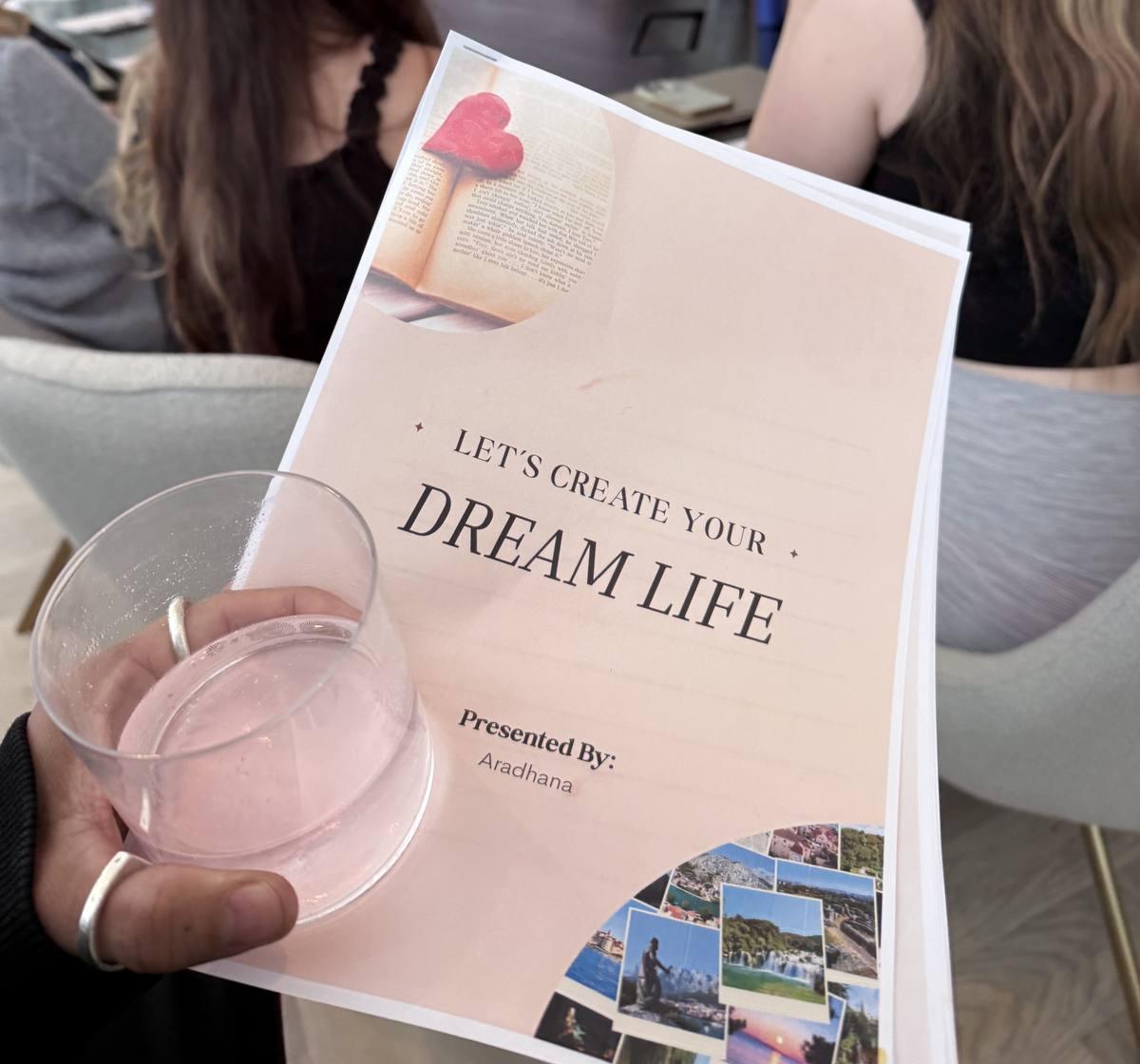
A recent session. Real room, real people, no trust falls. Faces kept out of frame on purpose.
What I run
Built for your people, not for a deck.
In person in Melbourne, or online for distributed teams. Shaped to your context rather than delivered off a shelf. Sessions from A$2,500, and a repeat series costs less per session than a one-off.
Planning-day reset
A session inside your offsite or planning day that lands people in their bodies before you ask them to think hard for eight hours.
Breath and nervous system
Practical regulation your people can actually use before a difficult meeting, not a theory session about stress.
Connection workshop
For teams that have gone quiet, gone remote, or gone through a restructure. Starts with the humans rather than the framework.
Something specific
Bring the problem, not the brief. If your people are flat, fractious or exhausted, we will shape a session around it.
How it works
Three steps, no lengthy proposal process.
Step one
A thirty-minute call. You tell me what is actually happening with your people. I ask the questions a former manager would ask.
Step two
I come back with a session shaped for your context, your timing and your budget. One page, not twenty.
Step three
We run it. Your people leave with something they can use on Monday, not a folder they will never open.
Start here
Bring the problem, not the brief.
Thirty minutes, no charge, no proposal deck. We work out together whether this would land in your culture.