>
Sat 5 Sep Return to Self · RootedBreathwork, reiki and aromatherapy at The Breath Haus, Balaclava Get a ticket →A high performing team is not one that works harder. It is one that can hold competing priorities without unravelling, say the difficult thing early, and still have something left on Friday.
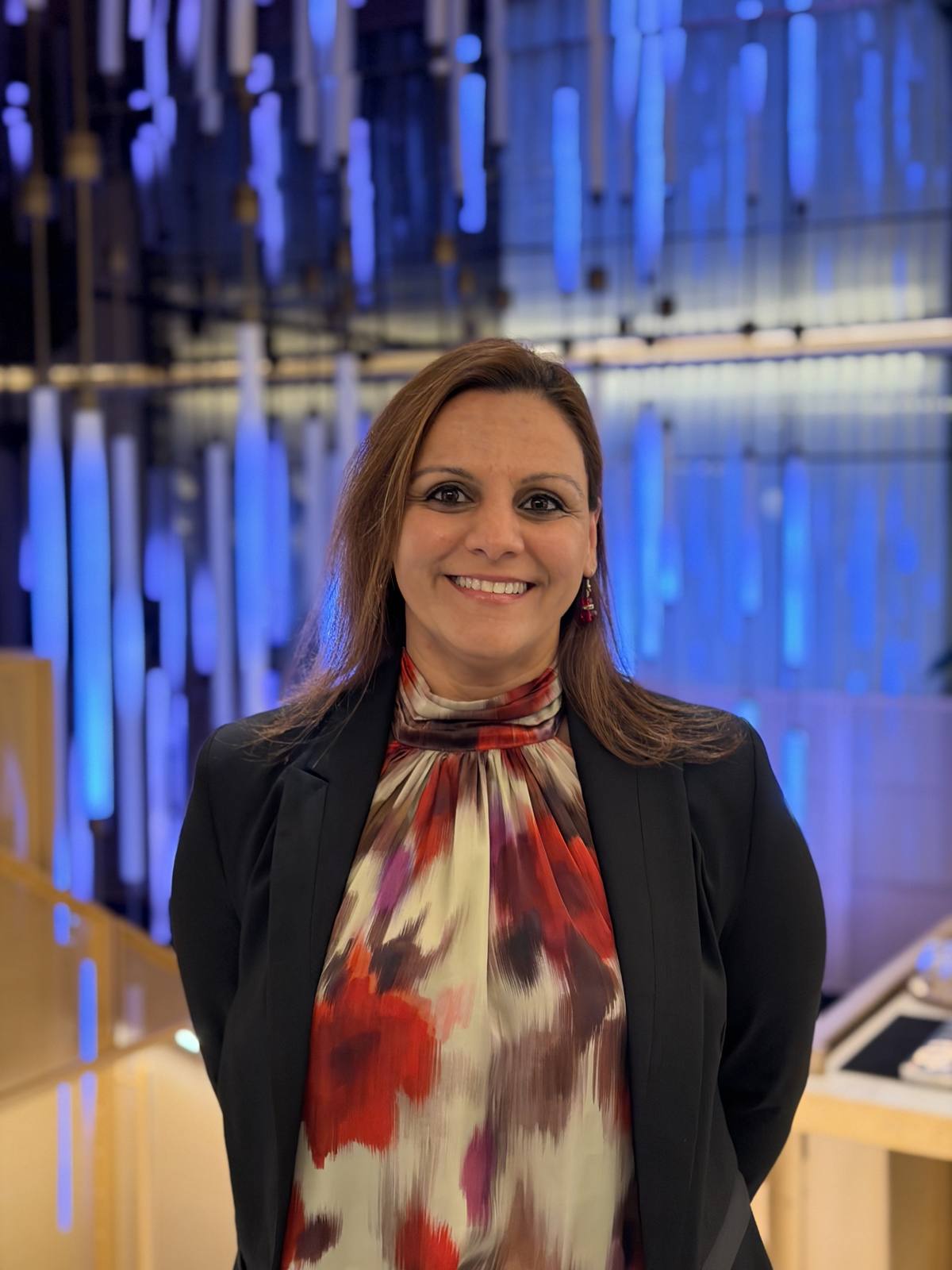
That is trainable. There is an app for the daily part, and there is me in the room for the part an app cannot do. Both come from eleven years of leading teams, which I am still doing.

Twenty years in corporate finance, strategy and operations. Eleven of them leading teams, and I have not stopped.
Most workplace wellbeing sells collaboration and culture. In my experience collaboration was rarely what held a team back. The individual nervous system was, and it is the half almost nobody trains.
Leadership training covers the decision. It does not cover what happens in your body while you are making it.
That is the gap I stand in, and I am in it myself every week rather than remembering it from a decade ago.
The programme side runs on U.S.O.F.T™, the self leadership framework I built and the same one underneath the Lead with Confidence app. Which means what your people practise in the room and what they practise on their phones the next morning is one method, not a workshop and an app that have never met.
Not a workplace? The same work runs for community groups, studios and private gatherings across Melbourne. Those are here.
BeforeNational deliveries tracked across spreadsheets and phone calls.
AfterA purpose built order management platform, end to end visibility from abattoir to store, and the business positioned as a market leader in its category, with more than $50M in new commercial contracts supported along the way.
BeforeA site opening with no finance function and no reporting.
AfterA team of five built and led, daily yield reporting from farm to plate, reduced labour cost, less raw material waste, and budget beaten two years consecutively.
BeforeManagers accountable for budgets they did not fully understand.
AfterA training programme built and run ahead of budget season, and managers who could hold their own numbers. I have been running capability work inside corporates for years and calling it something else.
The same discipline runs through the leadership and venue work: a baseline, an intervention, a measure. If it cannot be measured, I will say so before you spend anything.
Alongside workplace sessions, I build and run member facing programming for wellness clubs, residences and studios. Monthly rotations, masterclass series, and the mindset layer that sits beside your movement and recovery offer.
Member wellness has a month four problem. The room is full in week one, then the quarter gets hard and attendance becomes a line item somebody questions at renewal. The reason people lapse is almost never the facilities. It is that nobody gave them a reason of their own to keep coming.
That is the layer I hold, and I hold it as a partner, not a tenant. I do not own a room and I do not want one. Everything I run sends people back into yours, because the practice I set is deliberately physical and it points at the facilities your members are already paying for.
If you run a club, a building or a studio, book the same thirty minute call. Bring your renewal numbers.
Book a 30-minute callYour organisation has wellbeing benefits. Your senior people are not using them. They are the ones who push through, who would rather leave than say it is getting hard.
Who has not slept properly in six weeks.
Whose teams thrive, and whose nine o’clock emails tell another story.
Who holds space thirty times a week and rarely receives it.
The traditional model waits for someone to raise a hand. Senior people do not. That is the gap this was built to close.
Holding three urgent things at once and choosing between them cleanly, rather than doing all three badly and apologising on Friday.
Pressure is part of the work. Being wrecked by it is not. Your people learn the difference, and how to come down from one without losing the other.
A regulated team raises it in week one rather than week six. Over a year that gap is worth more than most process improvements.
Being led well is what people name when they are asked why they stayed. It is also what they name when they did not.
Replacing a good person costs recruitment fees, months of half productivity, the knowledge that walks out, and the drag on everyone left behind. It is one of the most expensive line items no budget names properly.
And when people are asked why they stayed, the answer is almost never the salary. It is that they were led well, by somebody who was not fraying at the edges.
So the question is not whether your people are coping. It is whether your leadership team is modelling it. Look after your leaders and you have looked after everyone they lead.
Almost everything your people have been offered works on the thinking. And thinking is genuinely half of it. It gets you to the decision, it gives you the language, it makes the plan.
Then the decision has to survive a real week. That part is not a thinking problem. A choice made in a braced body gets quietly unmade by Thursday, and everybody files it under willpower and adds it to the pile of evidence against themselves.
It is not willpower. It is a body that has not been given a reason to believe the new thing is safe yet.
So we do both. Regulate first, so the body is not voting against the decision. Then choose. And it holds, because nothing inside is fighting it.
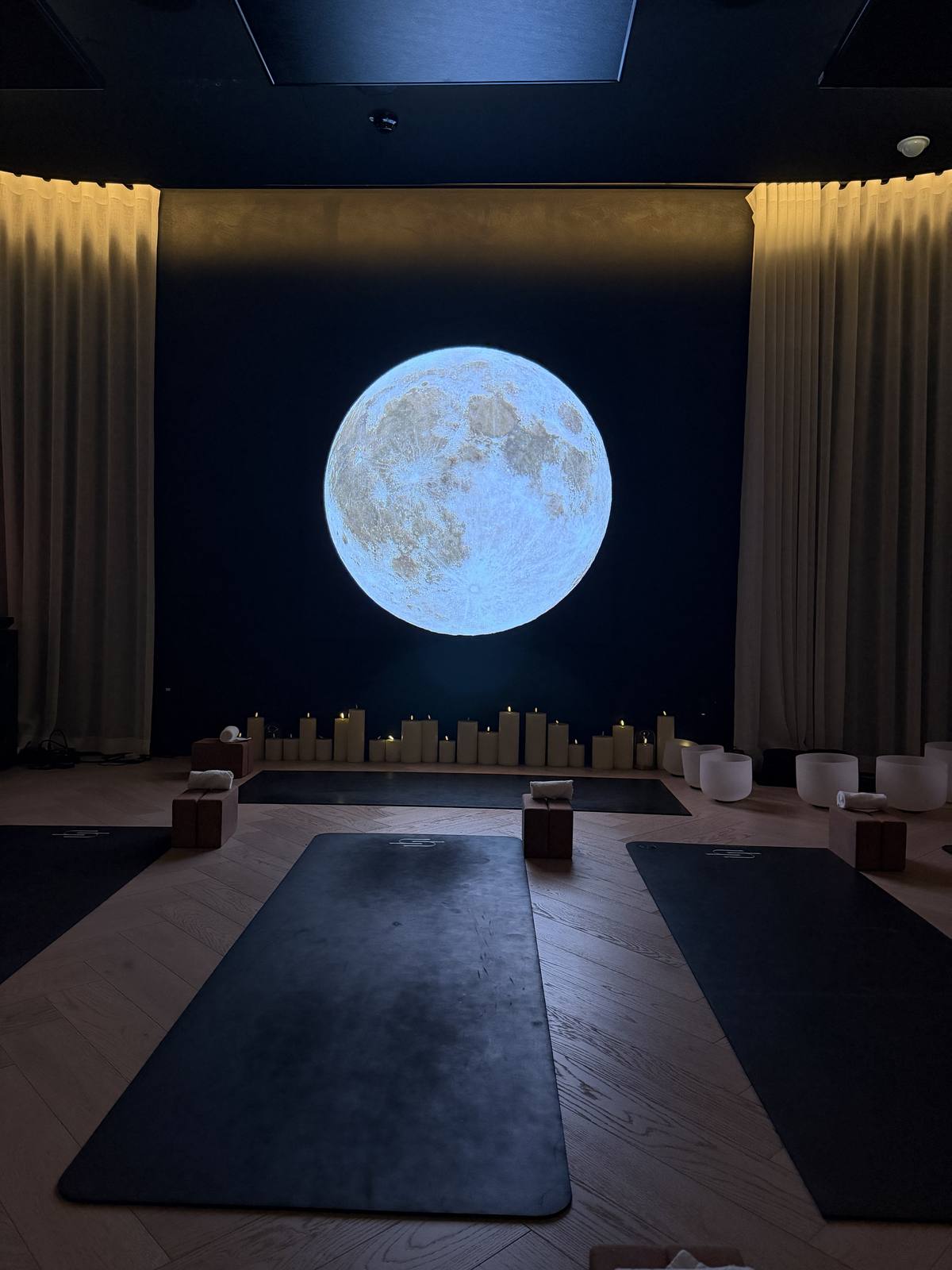
Which is why what I run is never only a talk. There is always something your body does, not just something your people hear.
Every one of the seven centres sits on a gland your team already depends on to get through the week. Most people have never been told how any of it works.
Skim the bold lines. If two or three land, that is a good starting point to knowing your team better.
Cortisol. Runs hot in a restructure and stays hot long after.
Where creativity and appetite live. First to change under pressure.
Blood sugar, and self trust. The three o’clock flatness, and the deferring with it.
Immunity, and self compassion. Why sick days climb in a hard quarter.
Metabolism, and voice. A tight throat usually arrives before the silence does.
The master gland. Judgement degrades quietly under load.
Melatonin, so sleep. They are not lacking discipline.
Some leaders ask me to teach exactly this to their team. Depending on the room it lands better than anything else I do.
Everything below is detail. If you already know which one, book the call and skip the rest.
Five minutes twice a day. Available to anybody on the App Store, or licensed across your senior group with a seventy five day pilot and engagement reports.
See how it works →A planning day reset, a breath and nervous system session, or a connection event. In person in Melbourne, online for distributed teams, interstate with notice.
See the formats →The deeper work. Private coaching for a leader, or the same done together so a leadership team builds the language at once. Runs alongside the app.
See coaching →In person in Melbourne, online for distributed teams, and interstate or overseas when it is planned in. Shaped to your context rather than delivered off a shelf. Sessions are scoped on the call, and a repeat series always costs less per session than a one-off.
A session inside your offsite or planning day that lands people in their bodies before you ask them to think hard for eight hours.
Practical regulation your people can use before a difficult meeting, so the meeting goes better.
For teams that have gone quiet, gone remote, or gone through a restructure. Starts with the humans rather than the framework.
Tell me what you want your team to be like in six months, and what is in the way now. We shape the session around that.
Outside Melbourne? Ask anyway. Interstate and overseas both work when there is enough notice and travel is covered, and I have leave I am happy to spend on the right room. The answer is almost always yes if the commercials work.
A room changes the day. Coaching changes how somebody leads, and that is the thing your team feels every week afterwards.
Private, ongoing, and shaped around what you are actually carrying. The competing priorities, the decision you keep deferring, the version of yourself you become in week nine of a hard quarter.
Most of my one to one leadership clients are men, and almost none of them would have booked something called wellbeing.
Talk about one to one →The same work, done together, so a leadership group builds the language at the same time. It stops being something one person is doing quietly and becomes how the team operates.
Runs alongside the app, so the daily practice holds between sessions rather than everything resetting to nothing.
Talk about a group →Scope, length and price depend on how many people and how deep you want to go. Thirty minutes is enough for me to tell you which of the three is right, and to say so if it is none of them.
I am pleased to recommend Aradhana as an outstanding professional. She is a highly effective, results driven colleague who consistently delivers on commitments while maintaining the highest standards of professionalism.
Aradhana demonstrates strong leadership with her team, setting clear direction, supporting her colleagues, and fostering a positive and productive environment. She is both caring and dependable, and her ability to balance high performance with genuine support for others makes her a valued team member.
I would not hesitate to recommend working with her and am confident she would be a strong asset to any organisation.
The structured prompts and gratitude tools are incredible. The UI is incredibly well designed and is profoundly beneficial for everyone’s personal journey. Cannot recommend enough.
Unprompted, from somebody who downloaded it and used it without ever meeting me.
The sessions helped me rebuild belief in myself and encouraged me not to settle for the first, second or third answer I get given.
Zara ran an event for her own company a few weeks later, and led it heart first instead of business first. That is the thing worth buying. Not what people take from the day, but the meeting they run differently a month later.

A recent session. Real room, real people, no trust falls.
Everything above is what your team gets. This is the part leaders tell me privately, usually near the end of the call.
That they are comparing themselves to someone further along and it is quietly corroding them. That there is a ceiling they cannot see the shape of. That something needs to change and they cannot name what to ask for. And that it is easier to keep managing everyone else’s load than to look at their own.
You are measuring yourself against where someone else is now. The only fair comparison you have is where you were.
I am not going to pretend a team session fixes that. It does not. But you are allowed to be the one who gets something out of this too, and most leaders book for everybody except themselves.
I run two, because they are genuinely different, and people kept asking me for the second one.
Five minutes to set the day up, five to close it, and a Sunday review. Built around the load you carry at work, and the meeting you have to walk into at eleven.
Seven chapters, twenty eight days each, root to crown. Built around the seven energy centres and around a body that does not run on a flat line.
Not sure? Pick the one that matches the timescale you are struggling with. Thursday, or the whole season.
Thirty minutes, no charge. You tell me what is actually happening with your people and I ask the questions a former manager would ask.
Then I come back with something shaped for your context, your timing and your budget. One page, not twenty. If we go ahead, your people leave with something they can use on Monday rather than a folder they will never open.
Book a 30-minute callHere for yourself rather than for your organisation? Start with Sankalpa →